
ミニショベルが現代の建設と造園に不可欠なツールとなる理由
Mini Excavator equipment has become indispensable for small to medium earthmoving, utility work, landscaping, and construction projects. In this in-depth guide, we explore what defines a mini excavator, its core components, performance features, common applications, and why models from Shengkundada stand out in quality and reliability.
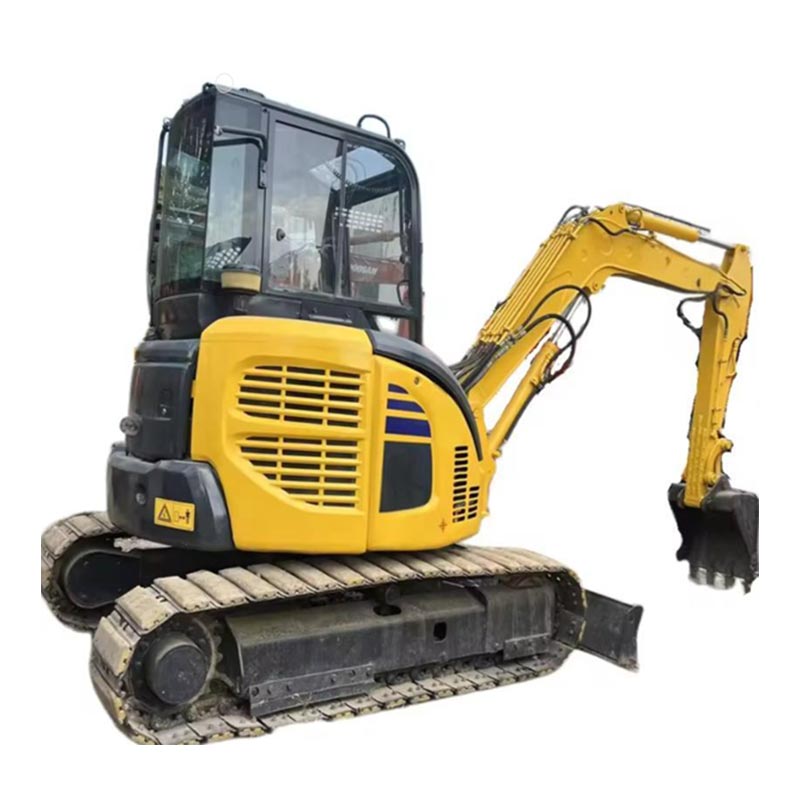
Table of Contents
- What is a Mini Excavator?
- Key Features & Specifications of Mini Excavators
- Top Applications of Mini Excavators
- Benefits of Owning a Mini Excavator
- Mini Excavator Comparison Table
- Frequently Asked Questions (FAQ)
- Contact Us
What is a Mini Excavator?
A Mini Excavator — also known as a compact excavator — is a small, powerful hydraulic machine designed for earthmoving tasks in confined spaces where full-size excavators are impractical. These machines typically weigh between 0.8 to 5+ tons depending on configuration and use case, and are equipped with a boom, arm, and bucket to perform digging, trenching, lifting, and grading tasks.
At its core, a mini excavator combines mobility and digging power, enabling operators to tackle jobs that range from utility line installation to garden landscaping without the logistical challenges of larger equipment. The compact structure allows work in narrow alleys, residential sites, and urban construction zones.
Shengkundada offers a variety of Mini Excavator models — from household units to zero-tail swing and crawler variants — tailored for different project requirements. Their machines undergo strict quality inspection to ensure dependable performance on site.
Key Features & Specifications of Mini Excavators
When evaluating a mini excavator, several core specifications determine productivity, efficiency, and suitability for specific tasks. Below are some common technical aspects you should consider:
- Operating Weight – Typically ranges from 0.8 to 5 tons.
- Engine Power – Measured in horsepower (HP); higher ratings improve digging force and hydraulic output.
- Hydraulic Performance – Influences how quickly attachments respond and cycle times during operation.
- Digging Depth & Reach – Determines how deep or far the machine can excavate.
- Attachments Compatibility – Ability to use augers, hammers, grapples, and more.
Top Applications of Mini Excavators
Mini excavators serve industries ranging from construction and utilities to landscaping and agriculture. The following outlines typical use scenarios:
- Trenching & Utility Work – Ideal for digging trenches for pipes, cables, and drainage.
- Foundation Preparation – Excavates soil for building foundations and pad sites.
- Landscaping Projects – Helps create slopes, plant beds, irrigation trenches, and water features.
- Demolition of Small Structures – Breaks down concrete, sheds, and paved surfaces in tight spaces.
- Agricultural Jobs – Used for field preparation, ditch digging, or orchard maintenance.
Benefits of Owning a Mini Excavator
Building on their specifications and applications, mini excavators offer several notable advantages:
- Compact Size – Easily fits in narrow or interior work sites without disrupting surrounding areas.
- Cost Efficiency – Lower purchase and operating costs compared with full-size excavators.
- Maneuverability – Zero-tail swing models are capable of rotating in tight quarters without overhang.
- Versatility – Quick-change attachments expand your machine’s functionality.
Mini Excavator Comparison Table
| Specification | Typical Range | Why it Matters |
|---|---|---|
| Operating Weight | 0.8 – 5+ Tons | Affects transportability and job size suitability |
| Engine Power (HP) | 12 – 50+ HP | Determines hydraulic and digging performance |
| Digging Depth | 1.3 – 3.0+ Meters | Defines how deep the machine can excavate |
| Hydraulic Flow | 10 – 30+ GPM | Impacts cycle speed and attachment efficiency |
Frequently Asked Questions (FAQ)
Q1: How do I choose the right Mini Excavator for my project?Start with assessing your job requirements (dig depth, maneuverability, work space, attachments needed). Then match these with the machine’s operating weight, engine power, and hydraulic capacity.
Q2: Can mini excavators handle heavy tasks?While powerful within their class, mini excavators are best for light-to-medium workloads; for large-scale earthmoving, medium or full-size excavators might be more appropriate.
Q3: What attachments can I use with a Mini Excavator?Common attachments include augers, hydraulic breakers, grapples, rippers, and trenching buckets — significantly increasing versatility on site.
Contact Us
If you’re ready to explore high-quality Mini Excavator solutions, contact the team at Shengkundada today to request a quote, product specs, or technical support. Our experts can help you select the right model that fits your project’s needs and budget. Contact Us for personalized assistance and to learn more about delivery, customization, and bulk pricing options.
お問い合わせを送信
Online
 Sales Manager
 email
email
X
当社は Cookie を使用して、より良いブラウジング体験を提供し、サイトのトラフィックを分析し、コンテンツをパーソナライズします。このサイトを使用すると、Cookie の使用に同意したことになります。
プライバシーポリシー