
トラックのポンプはどのように機能し、その使用を最適化する方法は何ですか?
Summary: Truck pumps are essential components in fuel delivery, hydraulic systems, and liquid transfer applications. This article provides a comprehensive analysis of Truck Pump types, applications, technical parameters, common issues, and best practices for maintenance and optimization. It serves as a professional reference for fleet operators, logistics companies, and equipment managers seeking reliable solutions.
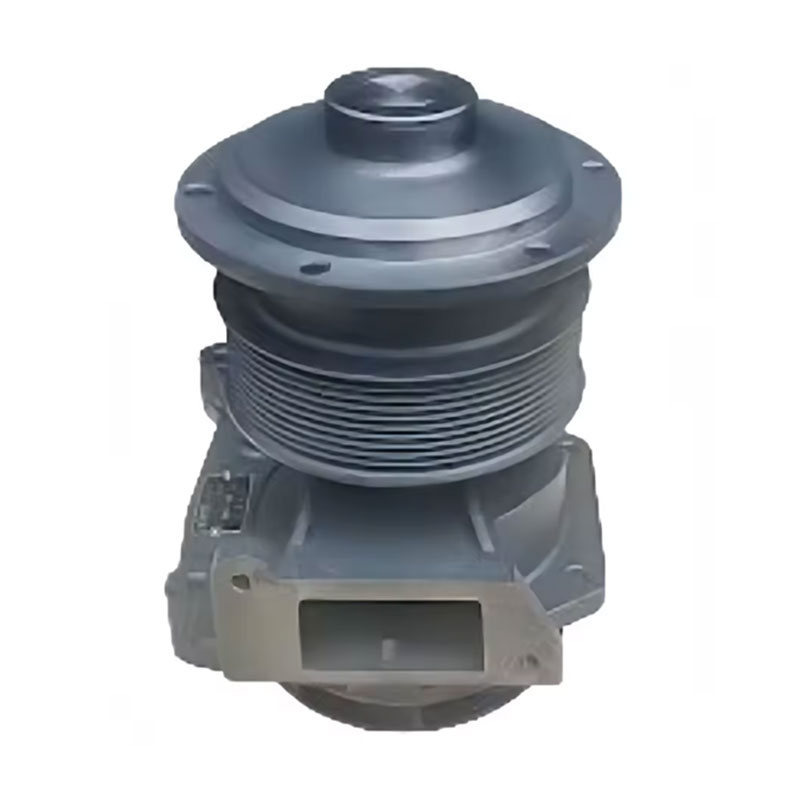
Table of Contents
1. Introduction to Truck Pumps 2. Types of Truck Pumps and Their Applications 3. Technical Parameters and Performance Specifications 4. Common FAQs About Truck Pumps 5. Conclusion and Contact Information
1. Introduction to Truck Pumps
Truck pumps are mechanical or hydraulic devices designed to transfer liquids efficiently and reliably in transportation vehicles. They are widely used in diesel fuel delivery, oil transfer, water pumping, and hydraulic systems in trucks and specialized vehicles. These pumps are engineered for high performance under heavy-duty conditions and are a critical component in commercial fleet operations.
The primary objective of this article is to provide a detailed understanding of how truck pumps operate, what technical parameters define their performance, and how operators can maximize their longevity and efficiency.
2. Types of Truck Pumps and Their Applications
2.1 Diesel Fuel Pumps
Diesel fuel pumps are used to supply fuel to the engine at the correct pressure and volume. They ensure efficient engine combustion, reduce fuel wastage, and maintain consistent performance.
2.2 Hydraulic Truck Pumps
Hydraulic pumps convert mechanical energy into hydraulic energy to operate truck-mounted equipment such as cranes, lifts, and dump mechanisms. These pumps vary in capacity and pressure rating according to vehicle application.
2.3 Transfer and Sump Pumps
Used for transferring liquids such as water, chemicals, or oil, these pumps are mounted on trucks for bulk transportation. They are typically equipped with durable materials to handle corrosive or abrasive fluids.
3. Technical Parameters and Performance Specifications
The performance of truck pumps is measured through a series of technical parameters that influence efficiency and durability. Below is a table summarizing typical specifications:
| Parameter | Description | Typical Range |
|---|---|---|
| Flow Rate | Volume of liquid pumped per minute | 50–400 L/min |
| Operating Pressure | Maximum hydraulic or fuel pressure | 3–25 bar (fuel), 50–300 bar (hydraulic) |
| Power Source | Electric motor, PTO, or diesel-driven | 12V–24V electric, mechanical PTO, diesel engine |
| Material | Construction material for durability | Cast iron, stainless steel, aluminum alloy |
| Viscosity Range | Compatible fluid types | 1–500 cSt |
These parameters are critical for selecting the right pump model based on application, environmental conditions, and fluid characteristics. Correct matching ensures optimal performance and reduces maintenance costs.
4. Common FAQs About Truck Pumps
4.1 What are the common causes of truck pump failure?
Truck pump failures are often caused by inadequate lubrication, contaminated fluids, excessive pressure, or mechanical wear. Regular inspection and proper maintenance can significantly reduce downtime.
4.2 How can truck pump efficiency be improved?
Efficiency can be enhanced by ensuring proper alignment, selecting the correct pump size, using clean fluids, and avoiding excessive throttling. Periodic performance testing also helps maintain efficiency levels.
4.3 What maintenance schedule is recommended for truck pumps?
Maintenance should include monthly inspections for leaks, quarterly performance checks, annual replacement of seals and bearings, and immediate servicing if abnormal noises or vibrations occur.
5. Conclusion and Contact Information
Truck pumps play a vital role in modern transportation and logistics operations. Proper selection, monitoring, and maintenance are essential to ensure reliability and long-term performance. For high-quality, durable truck pumps, Shengkunda offers a wide range of solutions tailored to various industrial and commercial applications.
For more information or to inquire about specific models, please contact us today and receive professional guidance for your truck pump needs.
お問い合わせを送信
Online
 Sales Manager
 email
email
X
当社は Cookie を使用して、より良いブラウジング体験を提供し、サイトのトラフィックを分析し、コンテンツをパーソナライズします。このサイトを使用すると、Cookie の使用に同意したことになります。
プライバシーポリシー