
トラックポンプはどのように車両の効率と信頼性を向上させるのでしょうか?
Article Abstract
Truck pumps are critical components in modern commercial vehicles, enabling fluid transfer, fuel efficiency, and system reliability. This article explores the structure, types, technical parameters, installation considerations, and maintenance practices for truck pumps. By providing a detailed overview, it aims to help fleet managers, vehicle operators, and service providers make informed decisions regarding truck pump selection and operation.
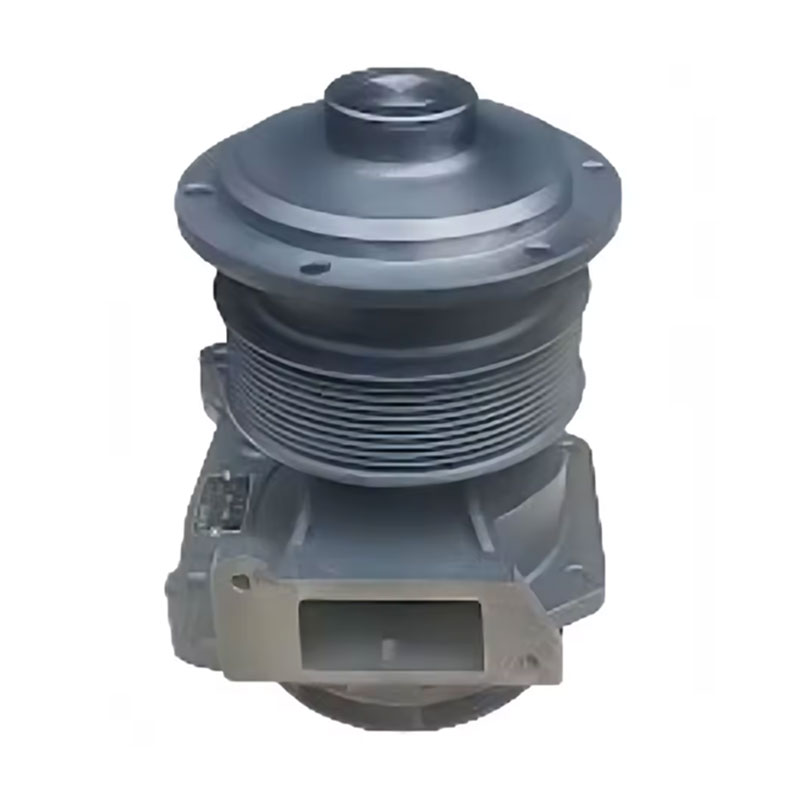
Table of Contents
- Article Outline
- Truck Pump Overview and Core Function
- Types of Truck Pumps
- Technical Parameters and Specifications
- Installation and Maintenance Considerations
- Truck Pump FAQ
- Conclusion and Contact Information
Article Outline
- Introduction to truck pump functionality and relevance
- Classification and types of truck pumps
- Key technical parameters and specifications
- Installation guidelines and maintenance best practices
- Frequently asked questions
- Brand reference and contact guidance
Truck Pump Overview and Core Function
A truck pump is a mechanical device used to transfer fluids such as fuel, oil, water, or hydraulic fluids within commercial vehicles. Its primary purpose is to maintain efficient flow, support engine performance, and ensure system reliability under various operational conditions.
Modern truck pumps are designed with high durability materials, corrosion resistance, and precision engineering to endure long-term operational stress. By regulating fluid delivery, truck pumps directly impact fuel efficiency, hydraulic system response, and overall vehicle performance.
Types of Truck Pumps
Understanding the different types of truck pumps is essential for selecting the right solution for specific vehicle applications. Key types include:
- Gear Pumps: Utilize interlocking gears to move fluid. Suitable for fuel and oil transfer with moderate pressure requirements.
- Piston Pumps: Employ reciprocating pistons for high-pressure applications, often used in hydraulic systems.
- Vane Pumps: Feature sliding vanes to maintain consistent flow, ideal for lubricating and cooling fluids.
- Diaphragm Pumps: Use a flexible diaphragm to move fluid, commonly applied in water or chemical transfer scenarios.
- Electric Pumps: Powered by the vehicle’s electrical system for precise fluid control and automated operations.
Technical Parameters and Specifications
Truck pump performance is determined by a range of technical specifications. These parameters influence pump selection based on vehicle type and operational requirements.
| Parameter | Specification |
|---|---|
| Flow Rate | 50–500 L/min |
| Operating Pressure | 1–35 bar |
| Material | Aluminum Alloy, Stainless Steel, High-Density Polymer |
| Temperature Range | -40°C to 120°C |
| Mounting Type | Direct, Bracket, Flange Mounted |
| Design Lifetime | 5–10 Years |
These technical specifications are essential to ensure compatibility with vehicle engines, hydraulic circuits, and fuel systems, while providing reliability under varying environmental conditions.
Installation and Maintenance Considerations
Proper installation and maintenance are critical to maximizing truck pump performance. Key considerations include:
- Ensuring correct alignment with drive shafts or motor couplings
- Using manufacturer-recommended mounting hardware and torque specifications
- Checking seals and gaskets to prevent leaks
- Regular inspection for wear, corrosion, or vibration-induced damage
- Flushing and cleaning to remove contaminants in fluid systems
- Monitoring pressure and flow for early detection of malfunctions
Adhering to maintenance schedules prolongs pump life, reduces downtime, and ensures consistent vehicle operation.
Truck Pump FAQ
Q: How do I determine the correct truck pump for my vehicle?
A: Selection depends on fluid type, flow rate, pressure requirements, and compatibility with existing engine or hydraulic systems. Consult specifications and manufacturer guidelines.
Q: Can truck pumps handle extreme temperature conditions?
A: Most high-quality truck pumps operate reliably from -40°C to 120°C. Material choice and thermal management affect performance under extreme conditions.
Q: How often should truck pumps be maintained?
A: Maintenance frequency depends on usage and operational environment. Standard practice includes quarterly inspections, fluid checks, and annual performance testing.
Conclusion and Contact Information
Truck pumps are essential for fluid management, engine efficiency, and operational reliability in commercial vehicles. By understanding pump types, technical parameters, and proper installation practices, vehicle operators can ensure long-term performance and reduce operational risks.
Shengkundada Import and Export Trading Co., Ltd. provides a full range of truck pump solutions designed for durability and efficiency. For detailed product inquiries, technical support, or customized solutions, contact us today to optimize your vehicle performance and reliability.
お問い合わせを送信
Online
 Sales Manager
 email
email
X
当社は Cookie を使用して、より良いブラウジング体験を提供し、サイトのトラフィックを分析し、コンテンツをパーソナライズします。このサイトを使用すると、Cookie の使用に同意したことになります。
プライバシーポリシー